



Why Collecting Phone Numbers Is Your Marketing Goldmine
Collecting phone numbers isn’t just about contact information anymore. It’s about opening a direct line to your customers and crafting personalized marketing experiences. This represents a significant opportunity to strengthen relationships and boost your bottom line. Think of it as a VIP pass to connect with your customers on a more personal level.
This personalized approach lets you deliver timely, relevant information that builds a stronger connection with your audience. Instead of generic messages, you can tailor communication to individual preferences and behaviors.
The Power of Direct Communication
Mobile phone numbers provide a channel for direct and immediate communication. Unlike emails that can get lost in overflowing inboxes, SMS messages have an incredibly high open rate. This direct access lets businesses send time-sensitive updates, exclusive offers, and personalized reminders that grab attention and encourage immediate action. For instance, a well-timed SMS about a flash sale can drive immediate purchases, while a personalized birthday message can boost customer loyalty.
Building Personalized Customer Journeys
Collecting phone numbers also allows businesses to create more personalized customer journeys. By understanding customer preferences and behaviors, you can tailor marketing messages to individual needs and interests. This strengthens customer relationships and increases engagement. Imagine texting a customer a discount code for their favorite product category—it’s a personal touch that shows you understand their needs. You might be interested in: How to master SMS marketing for better ROI and engagement.
The Rise of Mobile
The growing use of mobile devices has made phone numbers even more valuable. As of 2025, the global number of mobile phone users is projected to reach approximately 7.49 billion, indicating almost universal mobile penetration. This widespread adoption of mobile technology highlights the importance of incorporating SMS marketing into your strategy. Businesses rely heavily on mobile numbers for communication and authentication, making phone number collection essential to this growth. Find more detailed statistics here.
Collecting phone numbers is not just a passing trend; it’s a fundamental part of connecting with your audience in the modern world. By recognizing the importance of this direct communication channel, businesses can create highly effective marketing strategies that resonate with today’s mobile-first consumers.
5 Battle-Tested Methods for Collecting Phone Numbers
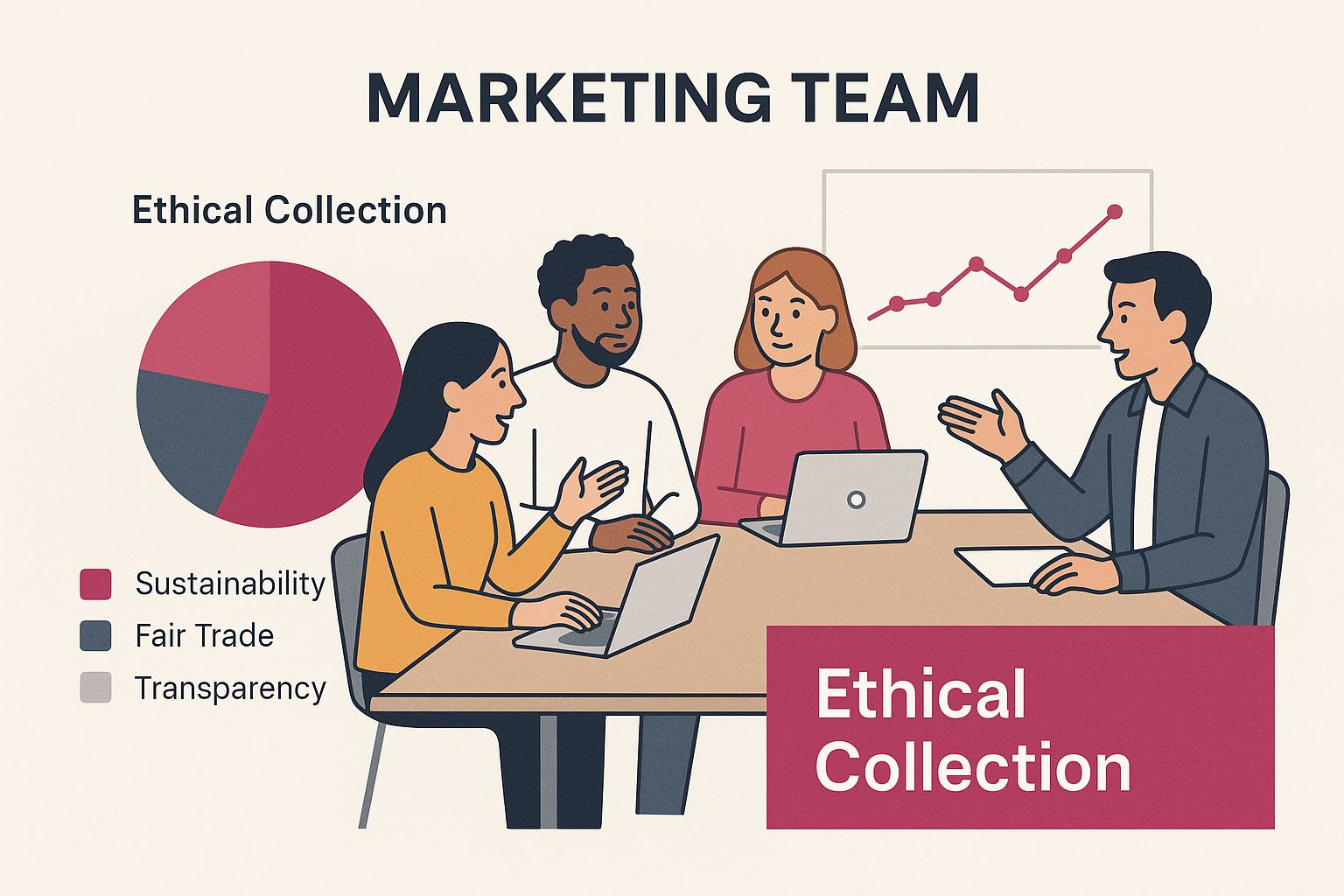
The image above shows a marketing team brainstorming, highlighting the need for ethical phone number collection. While getting those numbers is important, respecting privacy is key.
Getting phone numbers requires more than just a form. It’s about understanding why people share information and offering real value. Let’s explore five proven methods.
Offer Exclusive Deals and Discounts
Want to encourage customers to share their phone number? Offer exclusive deals and discounts. People are more likely to give their number if they get something in return. For instance, offer a 10% discount on a first purchase for signing up for SMS updates.
Run Contests and Giveaways
Contests and giveaways create excitement. Require a phone number for entry to boost participation and grow your list. This method can quickly generate a lot of opt-ins.
Implement a Loyalty Program
Loyalty programs reward repeat customers. Include phone number collection in your program to personalize rewards and send targeted SMS messages about offers and points. This builds stronger relationships.
Use Pop-Up Forms Strategically
Pop-ups can work, but use them wisely. Avoid annoying pop-ups. Instead, use exit-intent pop-ups that appear as a visitor is leaving, offering a last-minute incentive.
Integrate With Social Media
Social media platforms offer many ways to collect phone numbers. Click-to-SMS ads and lead generation forms make it easy for customers to join your SMS list. Monetize social media by turning these contacts into sales.
Comparing Collection Methods
The best collection method depends on your audience and goals. This table compares different methods, looking at effectiveness, complexity, and cost:
Phone Number Collection Methods Comparison
Comparison of different methods for collecting phone numbers with their effectiveness, implementation difficulty, and cost considerations
| Collection Method | Conversion Rate | Implementation Complexity | Cost | Best For |
|---|---|---|---|---|
| Exclusive Deals/Discounts | High | Low | Low | E-commerce, Retail |
| Contests/Giveaways | Medium | Medium | Medium | Brand Building, Rapid Growth |
| Loyalty Programs | High | High | Medium | Customer Retention, Long-Term Engagement |
| Pop-Up Forms | Medium | Low | Low | Lead Generation, E-commerce |
| Social Media Integration | Medium | Medium | Variable | Brand Awareness, Targeted Campaigns |
This table helps illustrate the key differences between each method so you can choose the best fit for your business. Consider your budget and technical resources when selecting the right strategy.
By using these strategies and understanding your audience, you can build a valuable database for personalized marketing. Connect with customers, build loyalty, and drive sales.
How Smartphones Revolutionized Phone Number Collection
The rise of smartphones has dramatically changed how businesses collect phone numbers. Instead of relying on paper forms, businesses now use mobile technology to integrate contact information sharing into the customer experience.
Mobile-First Experiences
Successful brands understand that consumers are constantly on their phones. They develop mobile-friendly websites and apps that simplify providing phone numbers. This streamlined approach makes sharing information easy and encourages sign-ups. For example, pre-filled forms within apps reduce user effort.
QR Codes and Contactless Technology
Imagine scanning a QR code and instantly joining a VIP list. Progressive companies utilize QR codes and contactless technologies to create a seamless phone number collection process. This quick method enhances the customer experience and increases opt-in rates, especially in retail stores or at events.
The Shift in Consumer Behavior
Consumers are increasingly open to sharing their phone numbers, particularly when they receive immediate value. Businesses recognize this trend and offer compelling incentives like exclusive discounts, loyalty programs, or early access to sales. Clear privacy policies also foster trust and encourage sharing.
Smartphone ownership has skyrocketed. By 2025, an estimated 4.69 billion people owned smartphones, a growth of 440 million in just one year. This makes smartphones vital tools for communication and commerce, increasing the value of phone numbers for businesses. Learn more about these trends: Smartphone Usage Statistics.
App-Based Verification and Communication
Many apps now utilize phone number verification for security measures like two-factor authentication. This offers a seamless way to collect phone numbers while improving user security. The process is naturally integrated into the app experience.
By embracing a mobile-first approach, businesses can effectively collect phone numbers and cultivate stronger customer relationships. Prioritizing convenience, value exchange, and mobile-optimized experiences is crucial for success in the current market.
Navigating the Legal Landscape of Phone Data Collection
Collecting phone numbers presents valuable marketing opportunities. However, it’s essential to navigate this process legally and ethically. This requires a solid understanding of regulations like the TCPA (Telephone Consumer Protection Act) and GDPR (General Data Protection Regulation).
Understanding Consent
The foundation of legal phone number collection is consent. You must obtain clear and explicit permission from individuals before sending any marketing materials. Simply having their phone number isn’t sufficient; you need their agreement to receive your communications.
This means using straightforward language in your opt-in forms. Avoid pre-checked boxes and misleading wording. Transparency builds trust and fosters a positive relationship with your customers. For further guidance, consider exploring resources like this guide on express written consent.
Documenting Consent
Maintaining proper documentation is vital. Keep detailed records of when and how consent was obtained. This might include screenshots of web forms, recorded phone calls, or dated email confirmations. These records safeguard your business against potential legal issues.
Implementing Compliant Processes
Integrate compliance into your daily operations. Make sure your marketing team is well-versed in data privacy laws and best practices. This proactive approach helps avoid penalties and builds customer confidence.
Real-World Examples
Effective consent language doesn’t have to be complex. A clear statement like, “I agree to receive marketing messages from [Your Company Name] via SMS” effectively communicates the purpose of collecting the phone number.
Providing an easy opt-out mechanism is equally important. Include a clear unsubscribe option in every message, empowering customers to manage their communication preferences.
Simple Documentation Systems
Setting up a robust documentation system doesn’t necessitate complex software. A simple spreadsheet can effectively track consent, logging the date, time, and method of opt-in for each customer.
By prioritizing ethical data collection and adhering to regulations, you build a strong foundation for marketing success. This not only protects your business but also cultivates lasting customer trust. Respecting customer privacy is paramount in today’s business environment.
Digital Touchpoints That Convert Phone Number Prospects
The internet offers a wealth of opportunities to collect phone numbers. However, effectively converting those prospects into customers hinges on understanding the where and how of asking. Let’s delve into which digital channels prove most fruitful for phone number collection and conversion.
Optimizing Websites for Phone Number Collection
Your website serves as a primary hub for gathering phone numbers. Strategic placement is crucial. Instead of relying solely on disruptive pop-ups, consider integrating forms seamlessly within your site’s design.
For instance, including a phone number field alongside the email address in newsletter signup forms can boost opt-ins without impacting user experience. Clearly communicating the value proposition – what visitors gain by providing their number – also significantly elevates conversion rates. Offering exclusive deals, updates, or early access can sweeten the deal and encourage sharing.
Leveraging Social Media Platforms
Social media provides various tools for collecting phone numbers. Facebook lead ads and click-to-messenger bots simplify the process. Incentivize sign-ups through exclusive content or contests.
Remember, respecting user privacy is paramount. Transparency about data usage and offering easy opt-out mechanisms are essential. Compliance with regulations is also critical. For businesses navigating areas like cryptocurrency, staying informed on topics like KYC requirements is crucial, as discussed in resources like this article on crypto payment gateways without KYC.
Mobile-First Approach for Phone Number Collection
With most internet access now occurring via mobile devices, optimizing your mobile presence for phone number collection is essential. Streamlined mobile forms pre-filled with user data minimize effort and maximize conversions.
Consider using QR codes at physical locations or events. These provide a quick and easy method for sharing contact information and accessing special offers. This highlights the importance of mobile optimization. By early 2025, 5.64 billion people (68.7% of the global population) were active internet users, with 95.9% accessing the web via mobile phones. More on global internet usage can be found here.
Testing and Optimizing Your Strategy
Continuously testing different placements, incentives, and messaging across your digital platforms is vital. A/B testing various call-to-actions reveals what resonates best with your target audience. Read also: How to recover abandoned carts.
To understand the effectiveness of various platforms, consider the following table:
Digital Platforms for Phone Number Collection
Analysis of different digital channels and their effectiveness for collecting phone numbers across various demographics
| Platform | Effectiveness Score | Best Demographic | Implementation Tips | Avg. Cost Per Lead |
|---|---|---|---|---|
| Website Forms | High | Engaged website visitors | Integrate within existing forms, offer incentives, clear value proposition | Low |
| Social Media Ads | Medium | Target audience segments | Compelling visuals, clear call to action, platform-specific best practices | Medium |
| QR Codes | High | Event attendees, in-store | Easy to scan, immediate value/offer, trackable links | Low |
| SMS Opt-ins | High | Existing customers | Exclusive deals, loyalty programs, clear opt-in/out instructions | Low |
The table above illustrates how different platforms excel for various demographics. While website forms and QR codes often have lower costs per lead, social media advertising allows for targeted outreach to specific segments. SMS opt-ins leverage existing customer relationships for high effectiveness.
By optimizing each digital touchpoint and integrating phone number sharing seamlessly into the customer journey, you’ll expand your reach and foster stronger audience relationships. Ultimately, this translates to increased engagement and sales.
Turning Phone Numbers Into Revenue Generators

Collecting phone numbers is just the first step. The real value lies in transforming those numbers into a source of revenue. This involves understanding your audience, tailoring your communication, and engaging with customers effectively.
Segmentation and Personalization for Higher Engagement
Effective marketing hinges on delivering the right message to the right person at the right time. Segmentation lets you divide your audience into distinct groups based on demographics, purchasing habits, or other key factors. This enables you to create highly targeted SMS campaigns that resonate with individual needs and preferences.
Imagine, for instance, sending a text message promoting a new line of athletic wear exclusively to customers who have previously bought similar products. This personalized approach is much more impactful than a generic message blasted to your entire list. It shows customers you understand and value their individual preferences.
Finding the Optimal Messaging Frequency
How often should you be in touch with your customers? Too many messages can result in opt-outs, while too few can mean lost sales opportunities. Finding the right messaging frequency is essential for maximizing engagement without alienating your audience.
The ideal frequency can differ based on your industry and customer base. Experimenting with various frequencies and reviewing the data will help you pinpoint what works best for your business. Pay close attention to your opt-out rates – a spike could be a sign that you’re sending messages too often.
Crafting High-Impact Message Types
Not all SMS messages are equal. Some types generate significantly higher engagement than others. For example, messages featuring exclusive discounts, limited-time promotions, or personalized product recommendations often perform exceptionally well.
Also, consider incorporating rich media such as images or GIFs to enhance your messages’ visual appeal and grab attention. For further insights on SMS marketing costs, take a look at this guide: Check out our guide on SMS marketing pricing.
Integrating Phone Data With Your Broader Customer Data Ecosystem
Phone numbers shouldn’t exist in a vacuum. Integrate your phone data with your wider customer data system, including your CRM and email marketing platforms like Mailchimp. This helps create a truly seamless customer experience.
For example, if a customer abandons their online shopping cart, an automated SMS message can be triggered, reminding them of the items left behind and perhaps offering a small incentive to complete the purchase. This type of personalized, real-time communication can dramatically improve conversions.
Building Loyalty and Increasing Lifetime Value
By using phone numbers strategically, you can cultivate stronger customer relationships, ultimately boosting customer lifetime value. Personalized SMS messages, exclusive deals, and timely reminders make customers feel valued, which fosters loyalty and repeat business.
This approach prioritizes long-term customer relationships over short-term gains. By nurturing these relationships through effective SMS communication, you create a sustainable revenue stream and a thriving customer base.
Future-Proofing Your Phone Number Collection Strategy
The landscape of phone number collection is ever-changing. New technologies and shifting customer expectations require businesses to adapt their strategies to remain competitive. This involves understanding emerging trends, prioritizing privacy, and providing real value in return for contact information.
Adapting to Evolving Consumer Expectations
Consumers are increasingly aware of data privacy. They are more inclined to share their phone number with trusted businesses that offer transparent data usage policies. This highlights the importance of clear communication and providing genuine value in exchange for contact information. For instance, offering exclusive discounts or early access to sales can encourage sharing.
Additionally, consumers expect seamless and user-friendly experiences. Cumbersome forms or intrusive pop-ups can discourage them from sharing their information. Streamlining the process, perhaps through pre-filled forms or QR codes, is key.
Emerging Technologies in Phone Number Collection
New technologies are shaping the future of phone number collection. AI-powered chatbots, for example, can collect phone numbers within conversational interfaces, creating a more interactive experience. Furthermore, the rise of Web3 technologies presents new possibilities for decentralized data management and secure information sharing.
Embracing Increased Privacy Regulations
Governments worldwide are implementing stricter data privacy regulations. Compliance is crucial. Businesses must secure explicit consent before collecting and using phone numbers for marketing. Implementing secure data storage practices and providing accessible opt-out options are also essential.
The Evolving Value Exchange
The dynamic between businesses and consumers is transforming. Consumers expect more than just generic marketing messages. They desire personalized communication that offers real value. This requires understanding individual preferences and tailoring offers and updates accordingly. Learn more about enhancing customer value in our article about abandoned cart statistics.
Positioning Your Organization for Success
To thrive in this evolving landscape, businesses must be proactive. This involves staying informed about emerging technologies, anticipating changes in consumer behavior, and prioritizing privacy. Continuously testing and optimizing collection methods is also key. A/B testing different incentives or form placements can reveal what resonates best with your target audience.
By adopting these practices, you can future-proof your phone number collection strategy and establish a strong foundation for sustainable growth. This will enable you to connect effectively with customers, cultivate loyalty, and maximize revenue in the long run.
Ready to convert your abandoned carts into revenue and boost sales? Start your free trial with CartBoss today!
